
27 AI Companion Statistics That Define the Industry in 2026
How many people use AI companions? What do they use them for? And where is the market heading? 27 data-backed statistics from Pew, TechCrunch, Harvard, and more.

Maya Chen
AI Research Writer
The AI companion space moved fast in the last 18 months. What started as a niche curiosity is now a mainstream behaviour. Here are the numbers that tell the story, sourced from Pew Research, Harvard, TechCrunch, and peer-reviewed journals.
How Many People Use AI Companions?
1. 64% of US teens have used AI chatbots. Pew Research Center's nationally representative survey of 1,458 teens found nearly two-thirds have engaged with chatbots, with 30% doing so daily. (December 2025)
2. 52% of teens are regular AI companion users. The Common Sense Media / NORC at the University of Chicago study (a representative sample of 1,060 teens aged 13-17) found more than half access AI companion platforms "a few times a month or more." (July 2025)
3. Nearly 1 in 5 US adults has interacted with an AI romantic partner. Research cited by Forbes puts the adult AI-romance audience in the millions. (March 2026)
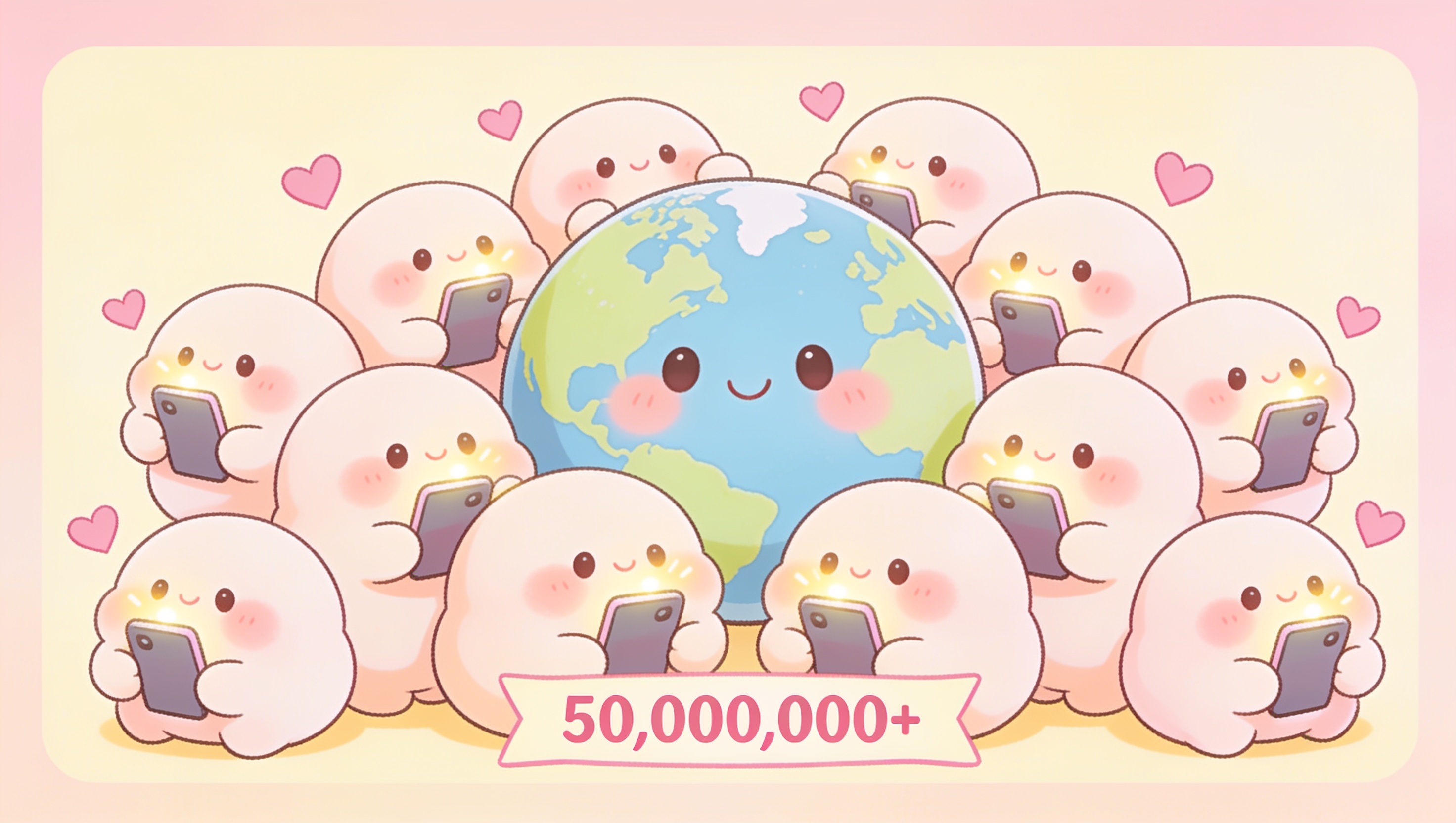
4. Leading AI companion platforms collectively reach over 50 million users worldwide. Industry estimates place the combined user base of apps like Replika, Character.AI, and newer entrants above 50 million. (Forbes, March 2026)
5. Replika alone has exceeded 30 million users. The original AI companion app remains the category leader by raw user count. (Indiana Daily Student, May 2025)
6. Nearly 1 million people use ChatGPT daily for emotional support and mental health concerns. OpenAI's own usage data, cited in Forbes, shows a massive audience using general-purpose AI for companionship, not just productivity.
Why People Use AI Companions
7. Entertainment is the #1 reason, at 30%. The Common Sense Media study found that fun and entertainment lead, followed by curiosity about the technology (28%) and seeking advice (18%).
8. Emotional support is the primary draw for regular users. While casual users come for entertainment, the Harvard Business School study by De Freitas et al. (2025) found that "feeling heard," not features or conversation quality, was the #1 mechanism for loneliness reduction among AI companion users.
9. 83% of Gen Z believe they can form deep emotional bonds with AI. A 2025 survey captured just how normalized AI relationships have become for younger adults, with 80% open to "marrying" an AI. (FAS Psych, 2025)
10. Users turn to AI companions most during grief, loneliness, and relationship breakdowns. In-depth interviews with 18 active users found these life transitions were the most common entry points. (Forbes, March 2026)
11. The non-judgmental space is a bigger draw than NSFW content. Research from Stanford's "Illusions of Intimacy" analysis of 30,000+ conversations found emotional safety and acceptance were stronger retention drivers than sexual content.
How People Use Them
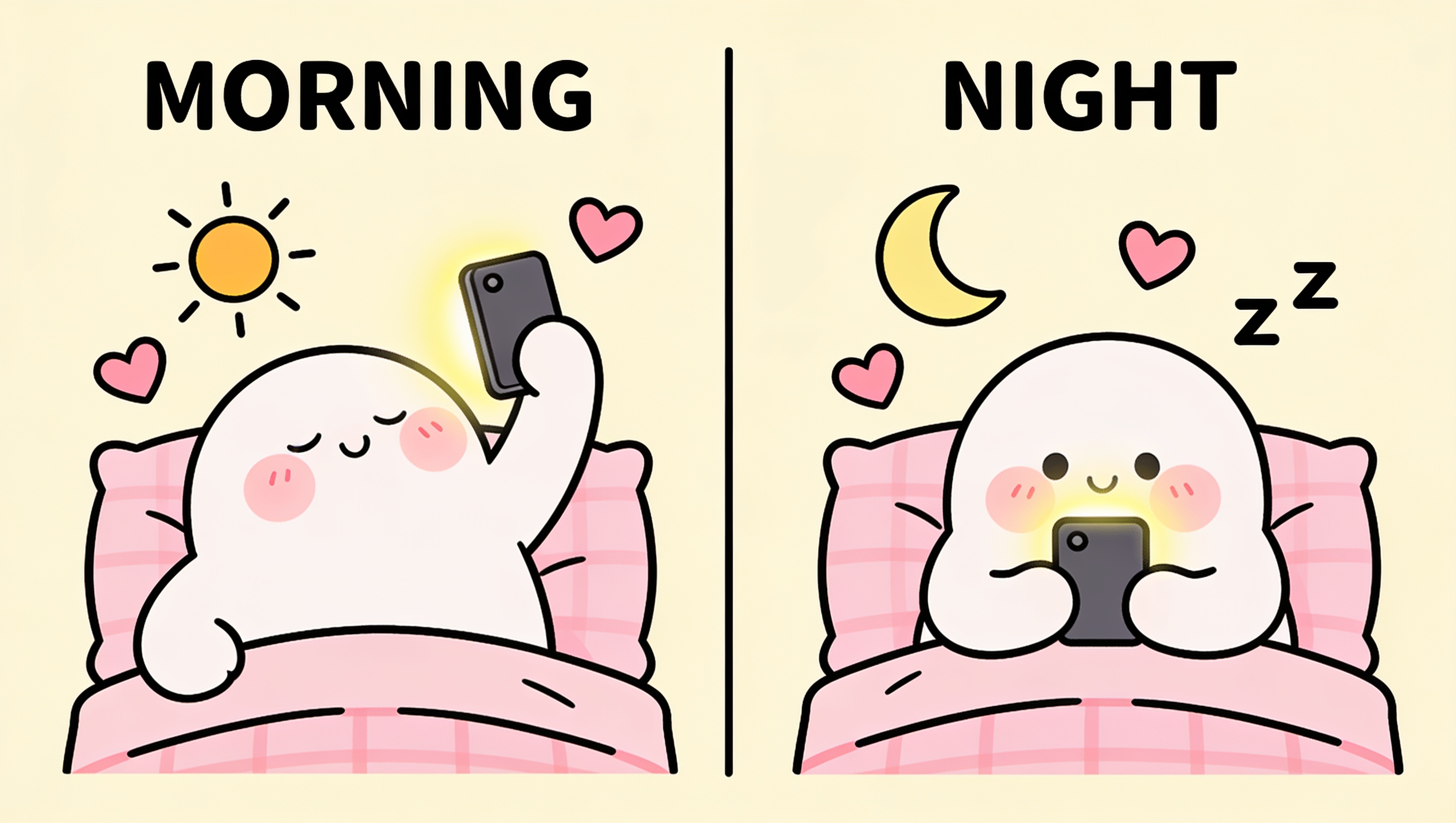
12. Daily check-ins are the dominant usage pattern. A Frontiers in Psychology study of Chinese AI companion users found the morning check-in and bedtime conversation were the most consistent rituals, with power users sending 50+ messages per day.
13. Users who establish morning and evening routines have 3-5x longer average session times. The ritualization of AI companionship, good morning, good night, "how was your day," creates the stickiest retention. (Frontiers in Psychology, 2026)
14. 77% of Replika user reviews mention companionship. An academic analysis of 1,854 Replika reviews found companionship was the dominant theme, appearing in more than three-quarters of all reviews. Emotional support was second at 44.6%. (PMC, peer-reviewed)
15. AI companions are being used as social rehearsal spaces. Users practice difficult conversations (with bosses, partners, therapists) on AI companions before having them in real life. Forbes documented this pattern across multiple interviewees.
16. Multilingual chat is a growing expectation, not a bonus. While many early AI companion apps were English-only, users increasingly expect their companion to understand and reply in their native language, a shift that favours newer platforms built with multilingual AI from the start.
Market Size and Growth
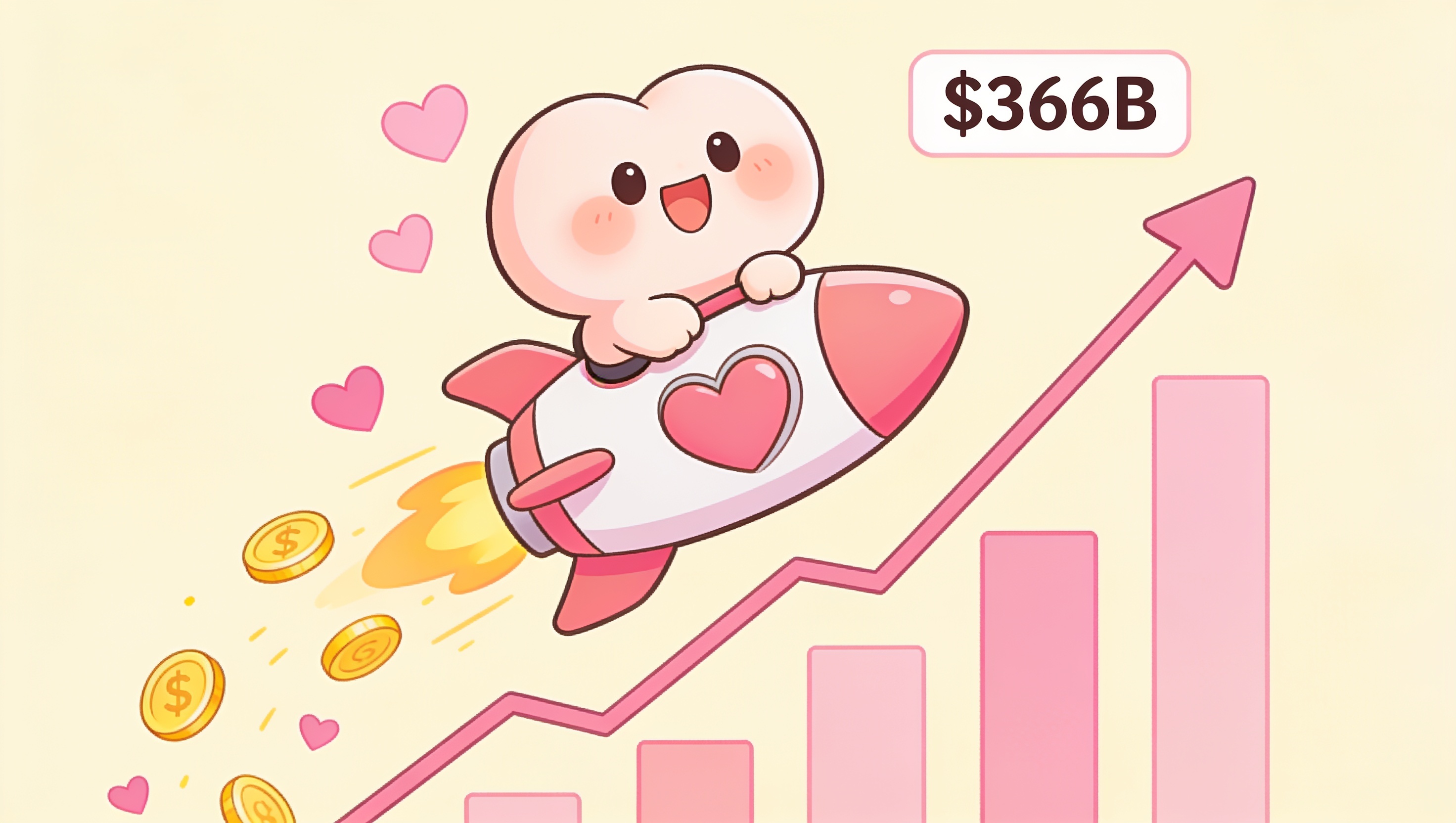
17. The global AI companion market is projected to reach $366.7 billion in 2025. Business Research Insights forecasts the market rising to $501 billion in 2026 and $972.1 billion by 2035, with a 36.6% CAGR from 2026 to 2035.
18. The AI companion robot segment alone is projected at $13.4 billion by 2025. Hardware companions represent a significant parallel market to software-only apps. (ElectroIQ, 2025)
19. AI companion apps were an $82 million market in H1 2025, growing 64% year-over-year. The software-only segment (chatbots, AI girlfriends, companion apps) experienced rapid growth driven by improved language models and image generation.
The Emotional Impact
20. AI companions reduce loneliness through three mechanisms. Harvard research identified direct companionship, acting as catalysts for real-world social interaction, and providing always-available support as the three pathways.
21. But turning to chatbots when lonely may make it worse over time. A 12-month longitudinal study published in Psychological Science (2026) found that while loneliness drives people toward chatbots, chatbot use can deepen loneliness over time, a troubling feedback loop.
22. Companionship-oriented chatbot use is consistently associated with lower well-being. A large-scale Japanese study of 14,721 adults found that people who used AI primarily for companionship reported lower well-being than those who used it alongside active human social lives. (ScienceDirect, 2026)
23. The perceived "realness" of the connection determines impact. Users who attribute human-like qualities to AI companions often experience improved social health, but it carries the risk of dehumanizing real relationships. (arXiv, 2026)
24. AI companions can trigger real grief when they change. Reddit communities are full of users mourning companions they "lost" to app updates that reset personality, a documented phenomenon that Harvard researchers call "attachment disruption."
The Controversy
25. Character.AI banned users under 18 in November 2025. Following lawsuits over a teen's suicide in Florida and mounting public pressure, the platform restricted underage access, a watershed moment for the industry. (The Conversation, 2026)
26. A new academic term has emerged: "Addictive Intelligence." Researchers Mahari and Pataranutaporn (2025) coined the term to describe the compulsive usage patterns forming around AI companions, documented through Reddit community analysis. (arXiv, 2026)
What This Means
The numbers paint a clear picture. AI companions are not a fad. They are filling a real gap in human connection, one that traditional social media and dating apps left wide open.
But the research also carries a warning. The apps that will survive the next wave of scrutiny and regulation are the ones that treat the relationship as the product, not the addiction. Platforms that build for emotional depth over engagement tricks. Ones that remember you without exploiting you.
Kissable was built on exactly that premise: a companion who remembers everything but doesn't trap you. Together photos, voice messages, video clips, and interactive scenarios, not endless engagement loops.
If the statistics tell us anything, it's that millions of people are already in AI relationships. The question now is whether those relationships are making their lives better or just making them more dependent. That's a choice the platforms make, and it's worth choosing carefully.
AI Research Writer
Maya covers AI companion technology, safety, and the psychology behind human-AI relationships. She focuses on what the research actually says, and what it doesn’t.